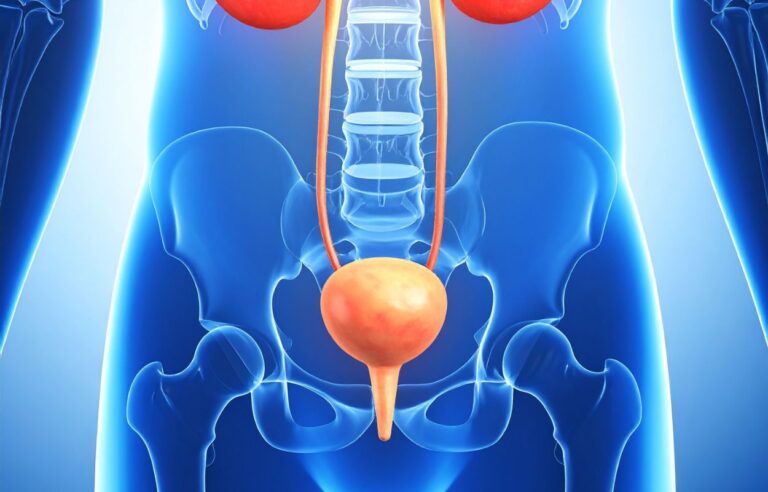
Radical cystectomy is one of the most important surgical treatments for aggressive or recurrent bladder cancer. Because the bladder plays a central role in storing and releasing urine, its removal is a major medical decision—one that requires clarity, confidence, and a full understanding of what the procedure involves. This guide walks you through the essentials: what radical cystectomy is, when it’s recommended, how it’s performed, its advantages, and what to expect afterward.
What Is a Radical Cystectomy?
A radical cystectomy is a surgical procedure that removes the bladder and surrounding structures that may contain cancer cells.
In men, this typically includes the prostate and seminal vesicles.
In women, the uterus, ovaries, fallopian tubes, and part of the vaginal wall may also be removed depending on the cancer’s extent.
Because the bladder is removed, the surgeon must create a new way for urine to exit the body—known as a urinary diversion. This can be done through several reconstructive techniques, such as an ileal conduit or a neobladder.
When Is Radical Cystectomy Recommended?
Doctors typically recommend radical cystectomy in the following situations:
1. Muscle-Invasive Bladder Cancer
When cancer penetrates the muscle layer of the bladder wall, surgical removal becomes the most effective curative approach.
2. High-Risk Non–Muscle-Invasive Cancer
If cancer keeps recurring or does not respond to intravesical therapies such as BCG, a cystectomy may prevent progression to a more dangerous stage.
3. Large or Aggressive Tumors
Tumors with unfavorable characteristics—including rapid growth or aggressive pathology—are often best treated with complete bladder removal.
4. Recurrent Disease After Prior Treatments
If radiation therapy, chemotherapy, or tumor resections fail to control the disease, cystectomy may be the safest option.
How Is Radical Cystectomy Performed?
Radical cystectomy can be done through:
Open surgery (traditional incision)
Laparoscopic surgery (smaller incisions)
Robotic-assisted surgery (minimally invasive and highly precise)
Surgeons also perform pelvic lymph node dissection, which helps determine the cancer stage and improves long-term outcomes.
Following bladder removal, the surgeon creates a urinary diversion. The three main types include:
1. Ileal Conduit (Urostomy)
A piece of intestine directs urine from the kidneys to a stoma on the abdomen into an external pouch.
2. Continent Cutaneous Reservoir
An internal pouch is created and emptied using a catheter.
3. Orthotopic Neobladder
A new bladder is fashioned from intestinal tissue and connected to the urethra, allowing more natural urination.
The choice depends on the patient’s health, cancer stage, and surgeon’s recommendations.
Advantages of Radical Cystectomy
1. High Cure Rates for Muscle-Invasive Cancer
Surgical removal offers the best chance of long-term survival when bladder cancer has grown into the muscle wall.
2. Prevents Future Recurrence
For high-risk non–muscle-invasive cancer, removing the bladder may eliminate the constant cycle of recurrent tumors.
3. Tailored Reconstruction Options
Patients can choose between different urinary diversion methods, allowing a lifestyle that fits their needs.
4. Improved Quality of Life Over Time
Although recovery takes time, many patients return to active lives with excellent long-term function.
Risks and Possible Complications
Like any major surgery, radical cystectomy carries certain risks:
Infection or bleeding
Blood clots
Changes in sexual function
Adjustment challenges with a urinary diversion
Bowel-related complications
Working with an experienced surgical team and following postoperative instructions carefully can help minimize these risks.
Recovery and Life After Cystectomy
Healing after a radical cystectomy is a gradual journey. Hospital stay often lasts 7–10 days, followed by several weeks of home recovery. Patients learn how to manage their new urinary system, and many regain a high degree of independence.
Long-term follow-up includes imaging, lab tests, lifestyle recommendations, and—most importantly—support from specialized medical teams.