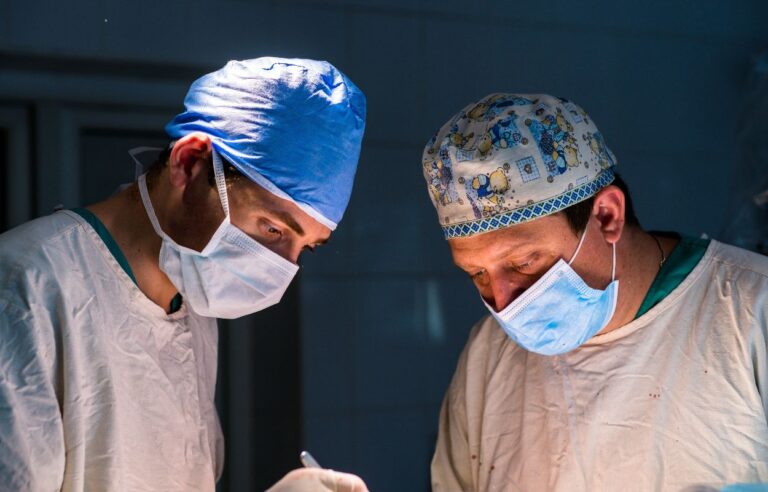
Retroperitoneal lymphadenectomy, often referred to as RPLND, is a specialized surgical procedure performed to remove lymph nodes located at the back of the abdominal cavity—the retroperitoneum. These lymph nodes play a central role in how certain cancers, especially testicular cancer, spread. Because of that, RPLND is both a diagnostic and therapeutic tool that can significantly influence long-term outcomes.
This procedure is typically performed by experienced surgical oncologists and requires a deep understanding of abdominal anatomy, cancer pathways, and nerve-sparing techniques. For many patients, RPLND offers a chance for cure without the need for additional treatments.
What Is Retroperitoneal Lymphadenectomy?
RPLND involves removing lymph nodes situated near major blood vessels such as the aorta and inferior vena cava. These nodes are a common route of metastasis for germ cell tumors, particularly non-seminomatous testicular cancer.
The surgery can be performed through a traditional open approach or, in selected cases, through minimally invasive or robotic-assisted techniques.
When Is RPLND Recommended?
RPLND is performed for several clinical indications:
1. Testicular Cancer Staging and Treatment
RPLND is most commonly used in patients with:
Non-seminomatous germ cell tumors
Residual masses after chemotherapy
Early-stage cancers where surgery may prevent overtreatment
The procedure can accurately determine whether cancer has spread beyond the testicle, which helps guide further management.
2. Residual or Persistent Lymph Node Enlargement
Even when imaging suggests a stable mass, RPLND helps confirm whether it contains:
This distinction is crucial, as teratoma must be surgically removed.
3. Select Cases of Other Abdominal Cancers
Though rare, RPLND may be used in:
Key Advantages of RPLND
✓ Curative Potential
For many early-stage patients, RPLND alone may completely eliminate cancerous spread, avoiding the need for chemotherapy or radiation.
✓ Precise Pathological Diagnosis
By analyzing removed lymph nodes, doctors can:
Determine if microscopic cancer remains
Tailor follow-up treatment plans
Avoid unnecessary therapies
✓ Long-Term Cancer Control
RPLND significantly reduces the risk of relapse in appropriately selected patients.
✓ Nerve-Sparing Techniques
Modern surgical methods aim to preserve:
Ejaculatory function
Fertility potential
Quality of life
This has improved sexual and reproductive outcomes for many patients.
How the Procedure Is Performed
1. Pre-Surgical Evaluation
Patients undergo:
2. Surgical Steps
During the operation, the surgeon:
Carefully accesses the retroperitoneal space
Identifies and removes targeted lymph nodes
Uses nerve-sparing techniques whenever possible
The duration varies from 2 to 4 hours depending on technique and complexity.
3. Recovery Process
Most patients experience:
A hospital stay of several days
Gradual return to normal activities over a few weeks
Regular follow-up to monitor tumor markers and healing
Risks and Considerations
Like all major surgeries, RPLND carries potential risks, including:
However, with an experienced team, complications are minimized and outcomes are generally excellent.
Why RPLND Remains an Essential Option
Despite advances in chemotherapy and targeted therapies, RPLND still holds a vital place in cancer management. It offers clarity, precision, and in many cases, a direct path to cure. For young patients especially—who make up the majority of testicular cancer cases—understanding all treatment options is essential for making empowered decisions.